
After the summer months, especially during a high-heat year like this one, hyperpigmentation issues like dark spots, age spots and melasma show up more prominently in the fall than in any other season. Even if you’ve done your due diligence shielding your skin from UV rays, hyperpigmentation can ramp up from being outdoors, in front of screens, relaxing in saunas, and even taking long, hot showers. Before throwing in the towel on brighter, eventoned skin, try these expert-approved solutions.
Mischievous Melanocytes
“There are many causes of hyperpigmentation,” says Aventura, FL dermatologist Dr. Bertha Baum. “Melanin production can be overstimulated by exposure to UV radiation, as well as genetics, hormonal changes and any inflammatory condition.” While overactive melanocytes are the widely known culprits for increased darkening, there is also a vascular component, adds New York dermatologist Orit Markowitz, MD. “Recent studies have shown that hyperpigmentation is very much associated with an increase in vasculature. In terms of treatment, we’re not only treating the pigment; we’re also targeting swollen blood vessels. Therefore, it’s not unreasonable to think that long, hot showers and other types of heat exposure can exacerbate hyperpigmentation, but again, the biggest factor is UV exposure.”
01: Protection Correction
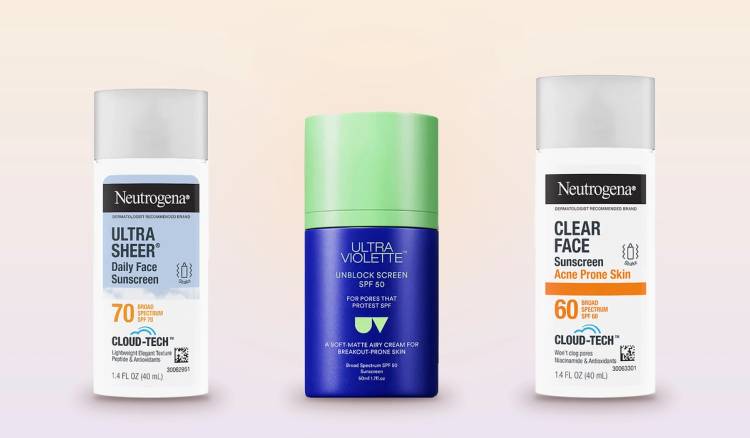
Celebrity aesthetician Tammy Fender says the best offense is a good defense. Even though summer is over, protecting your skin from further damage is the best thing you can do to decrease the appearance of dark spots. “The more physical blocks the better,” she notes. “Any SPF that has some form of a mineral, physical block will work, but to be doubly sure, add a little bit of micronized zinc oxide to your daily cream.” After treating her own hyperpigmentation issues for years, Fender’s first recommendation to clients is to choose a mineral, not chemical, sunblock. “I follow this with treatments that remineralize the skin and slough off dead surface cells in order to constantly create new cell renewal.”
02: Cysteamine Cream
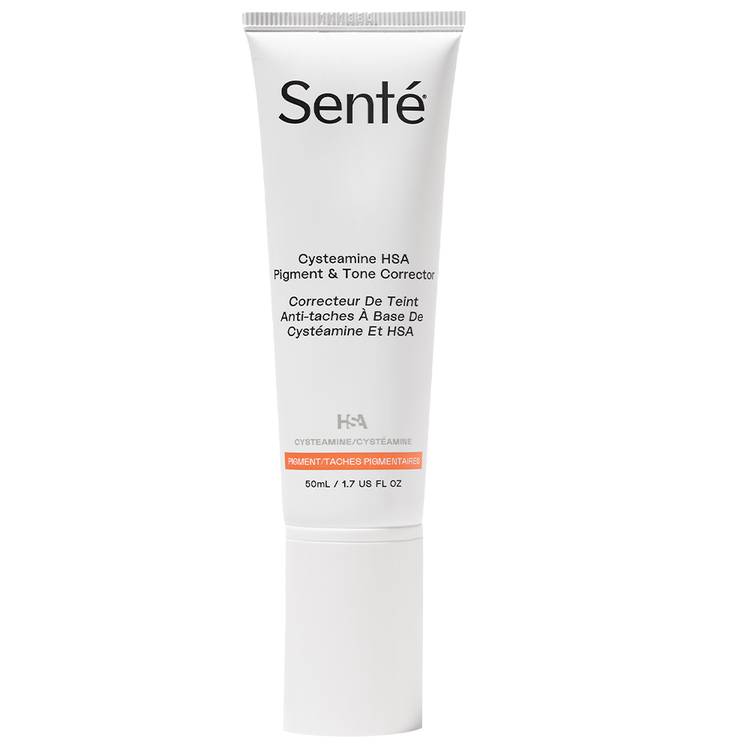
While vitamin C, arbutin, hydroquinone and acid-based products are known dark spot correctors, cysteamine has become a superstar ingredient for safe, effective brightening on all skin types. “It inhibits the enzyme pathway responsible for melanin production,” explains Denver dermatologist Joel Cohen, MD. Cysteamine can target dark spots and patches without the potential carcinogenic risks associated with hydroquinone. “Senté’s Cysteamine Corrector has a more stable form of vitamin C called THD ascorbate, as well as niacinamide and Heparan Sulfate Analog to increase moisture and reduce inflammation and redness,” he adds. Other options featuring the lightening ingredient include the Cyspera Intensive System by Scientis ($299) and Urban Skin Rx Hypercorrect Intense Fading Cream ($48).
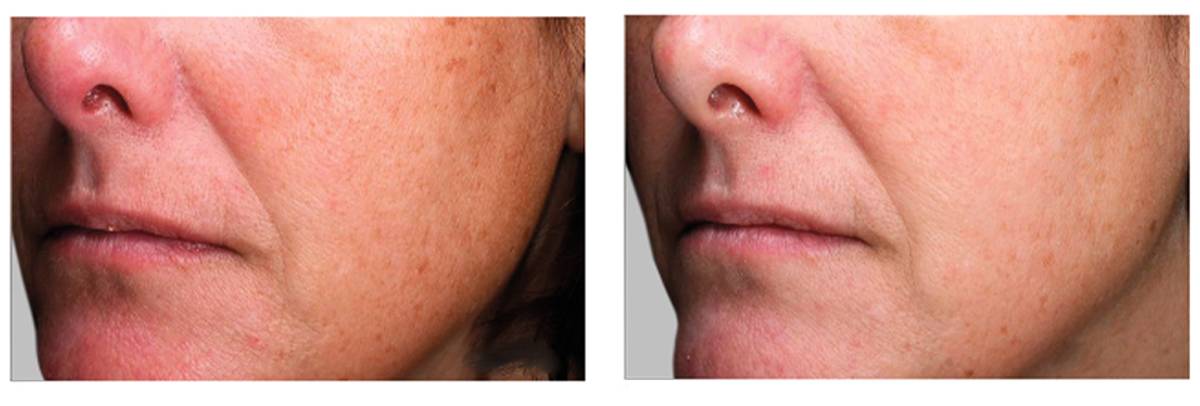
Using Senté’s Cysteamine HSA Pigment & Tone Corrector for 15 minutes a day over 16 weeks, this 53-year-old woman saw stubborn dark spots on her face lighten and she achieved a more even-toned complexion.
03: Tranexamic Acid
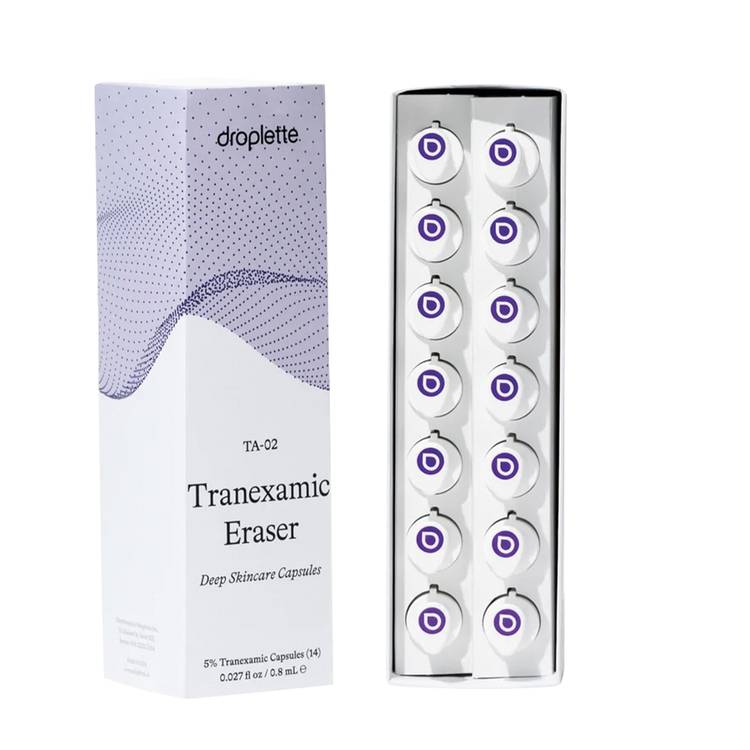
One derm-approved approach is using compounded, medicated creams that contain tranexamic acid, which also slows the production of melanin, to boost results. “Its anti-melanogenic properties target hyperpigmenation, which helps reduce symptoms,” says Dr. Markowitz. Dr. Baum says she uses the powerful ingredient three different ways: “Injected via AquaGold microinfusions; topically in compounded creams I prepare; or taken orally for severe melasma cases that are hard to treat.”
“ Best practice, especially for those just starting out with a resurfacing treatment, is to ease your way into it.”
Dr. Michelle Henry
04: Skin Resurfacing
Targeted in-office treatments help skin regenerate, causing dark spots to lessen over time. Chemical peels, Intense Pulse Light (IPL) and pigment targeting devices like the PICO laser are often recommended to lighten stubborn spots, which can feel like a totally untreatable concern.
RF + Microneedling
“Radio-frequency microneedling has shown promising results with treating melasma,” notes Dr. Markowitz. “The combination of energy delivery with the microneedles really helps renew the skin. It also allows the topicals we use in conjunction to absorb much better and faster.”
Photoacoustic Energy
A new modality that uses sound waves rather than heat has also seen promising results. “Lasers are classically used to treat any sort of pigment concerns, but one of the issues with melasma is that too much heat and thermal energy can actually make it darker,” says Dr. Markowitz. “This uses sound energies to vibrate the skin, causing pigment resorption with a lot less heat.”
Newer Laser Options
Lasers with lower wavelengths, like Clear + Brilliant Permea, are the go-to resurfacers for slow and careful pigment correction. New to the toolbox are TIXEL and Aerolase Neo Elite, which have shown promise for evening skin tone and “bringing up the pigment in a few visits,” says medical aesthetician Amy Peterson. At her Miami medspa, she uses both modalities and has seen impressive results in a short timespan. “Neo Elite goes deep and treats all kinds of contributing factors at a vascular level and breaking up deeper pigment,” she explains. “I often combine it with TIXEL and have seen incredible results.”
Miami dermatologist Roberta Del Campo, MD says TIXEL works swiftly without generating more pigment. “It utilizes thermal resurfacing with a stamp-like technique to break up abnormal pigment clusters. As skin heals, it increases cell turnover, lessening dark spots.”
UltraClear is another laser solution that reduces uneven skin tone and the e ects of sun damage in a quick, 10-minute treatment. “We’ve seen good results in patients with darker skin, like Asian patients and East Indian patients,” says Dr. Cohen. “From a safety and e icacy standpoint, it’s nice to be able to address darker skin tones without fear, whereas with CO2 lasers, we really sort of back away.” UltraClear delivers fractional cold ablation and requires no topical numbing. “It’s really the only laser I use that I would call a ‘lunchtime laser.’”
Avoiding Post-Inflammatory Hyperpigmentation
New York dermatologist Michelle Henry, MD says anyone with melaninrich skin should proceed with caution when it comes to treatments involving heat, as post-inflammatory hyperpigmentation (PIH) can occur when the approach is too intense. “I tell everyone, ‘Your first treatment won’t be your most aggressive,’” she says. “It’s slow and steady. We start low to keep you safe. Best practice, especially for those who are just starting out with a resurfacing treatment, is to ease your way into it. If I’m going to use a laser that targets pigment, for the most part, I’m going to do a test spot first to ensure we don’t do further damage.”
Home Repairs: Six solid solutions to incorporate into your at-home brightening routine.